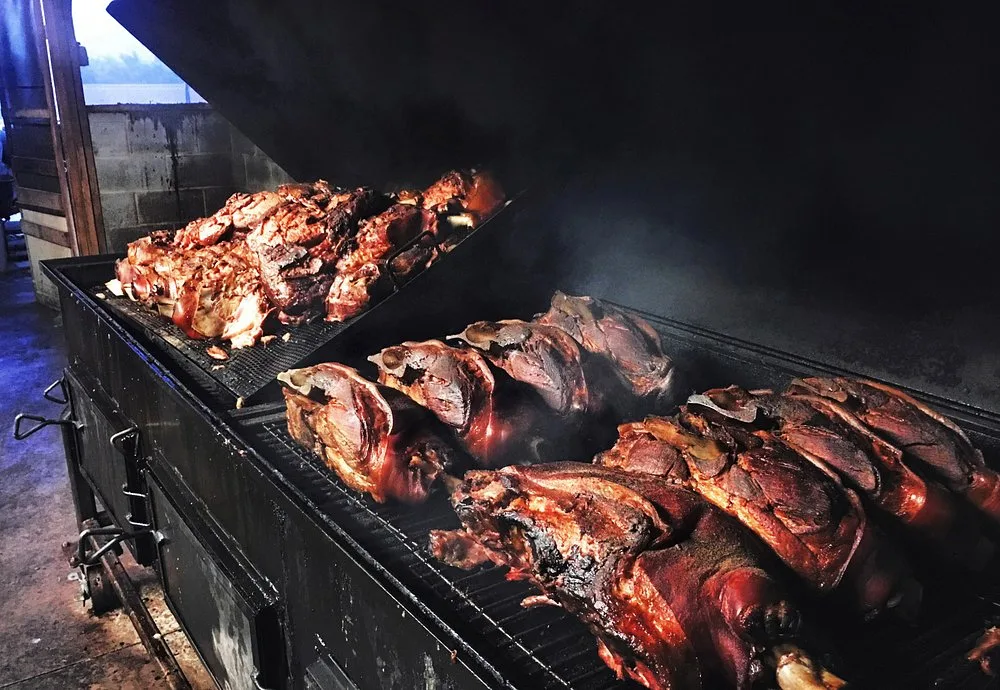
Grilling cooks meat fast, directly over high heat, for a matter of minutes. Pit smoking is a completely different process: our pork shoulders cook low and slow over live hickory wood coals. That slow cook over real hickory fire is what breaks the meat down and builds the deep, smoky flavor you can't get from a grill.
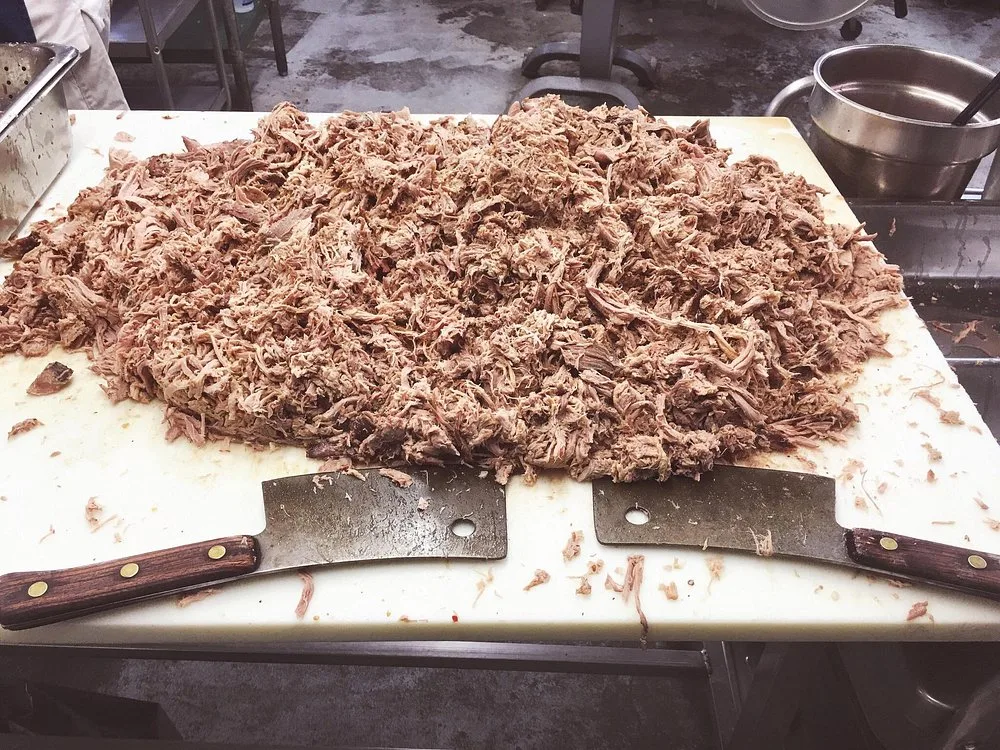
Think about what each method is actually doing to the meat. A grill sears the outside quickly and relies on high, direct heat to cook the inside before the surface burns, which works fine for something like a burger patty or a chicken breast that's thin enough to cook through fast. A pork shoulder is a different animal entirely, tough, well-marbled, full of connective tissue that needs hours of low, steady heat to break down into something tender. Rush that process on a hot grill and you'd end up with a scorched outside and a chewy, underdone inside. Slow it down over real hickory coals for hours, and that same tough cut turns into something you can hand-chop with a cleaver.
Slow it down over real hickory coals for hours, and that same tough cut turns into something you can hand-chop with a cleaver.
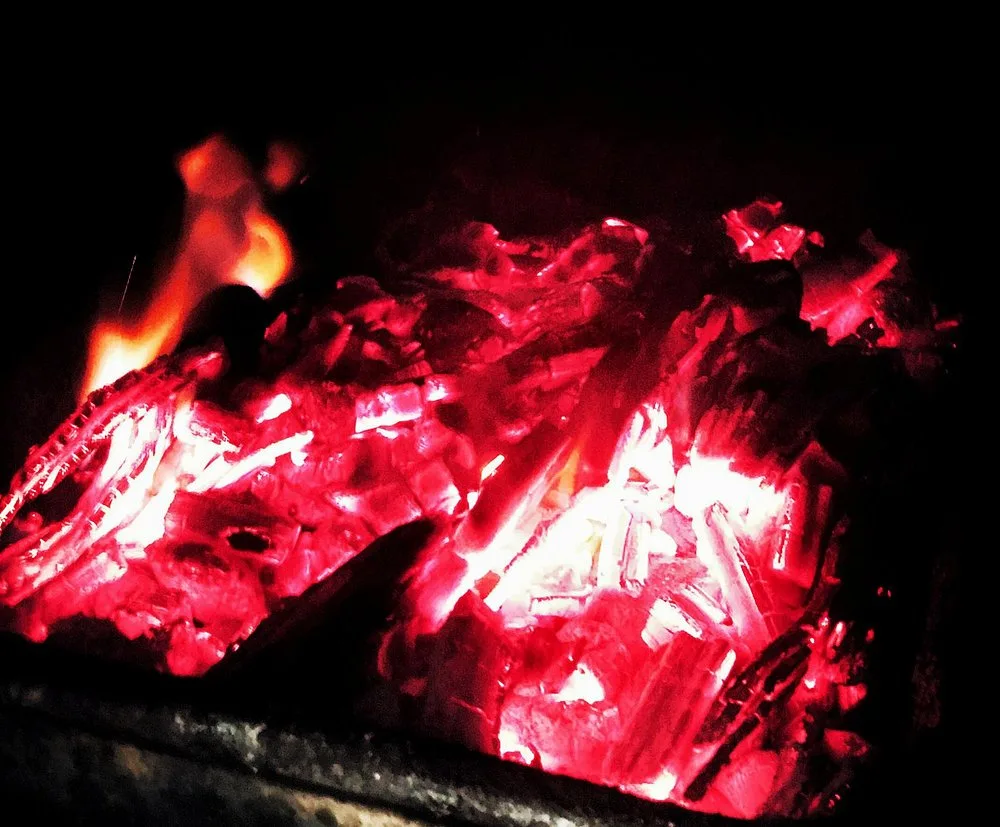
The smoking itself has always been done the same way Steve started it on a farm near Startown Road before BBQ King even existed: live hickory fire, low and slow, no shortcuts. That's the part that actually builds the flavor, hours over real wood smoke instead of minutes over direct flame.
Every day, our team hand-chops around 25 pork shoulders, fresh, the same day it's served. That's not a number that changes much whether it's a slow Tuesday or a packed Saturday; it's roughly what it takes to keep the counter stocked with fresh chopped and sliced BBQ from open to close, without anything sitting around from the day before. Hand-chopping matters too, a mechanical shredder would tear the bark (the dark, smoky crust) into the meat unevenly; a cleaver lets whoever's chopping control the texture, keeping some bark mixed through every scoop.
It's more work than firing up a grill, but it's the only way we know how to make BBQ that's actually worth the name. Grilled meat has its place on our menu too, our burgers are grilled, our chicken breast filets are grilled, and they're good at what they do. But when people talk about "real barbecue," what they usually mean, whether they'd put it this way or not, is exactly this: meat that spent hours over real wood smoke, not minutes over direct flame. That's the distinction, and it's the whole reason the smokehouse and the pit sit right there next to the restaurant instead of being replaced with something faster.